

Uncover the myths surrounding luck in gambling
Written by adminlin on August 26, 2026
The Nature of Luck in Gambling
Luck is often perceived as a mysterious force that plays a crucial role in gambling. Many individuals enter games of chance with the belief that luck can be a skill to master. However, the reality is that luck is inherently unpredictable and can vary from one moment to the next. This randomness is one of the main factors that make gambling thrilling, yet it can lead to misconceptions about control and predictability in outcomes. For those looking to explore different options, casinos sister sites may offer exciting alternatives that enhance the overall gambling experience. Players often find themselves at the mercy of chance, which can be both exhilarating and disheartening.
For instance, a player might believe that a streak of wins indicates an increase in their luck, leading them to gamble more aggressively. This false sense of security can result in significant losses, as luck is not a dependable force. When players attribute their wins to luck, they may overlook the potential for loss that accompanies every gamble. Understanding that the outcome of most gambling games is determined by chance can help players maintain a healthier perspective and avoid emotional decision-making.
Ultimately, while luck exists in gambling, it is essential to recognize that it is not something that can be harnessed or manipulated at will. Acknowledging the role of chance can empower gamblers to approach their activities with a sense of realism, thus fostering more responsible gambling habits. Accepting that luck is blind can serve as a reminder that it’s best to play for enjoyment rather than financial gain. This mindset can prevent players from chasing losses and making reckless bets based on fleeting moments of good fortune.
Myths About Luck and Skill
Many gamblers believe that they can outsmart the odds through skill, which can create a blurry boundary between luck and skill in gambling. For example, in poker, players often credit their success to skillful play and strategy, while ignoring the element of luck inherent in drawing cards. This leads to the myth that only the most skilled gamblers win consistently, neglecting the fact that chance plays a critical role in the outcome of every hand. In reality, even the best players can lose due to bad luck, highlighting the unpredictable nature of gambling.
Moreover, the allure of skill-based games can mislead players into thinking they have a higher chance of winning. While certain games require strategy and knowledge, no amount of skill can alter the fundamental probabilities that govern the game. Slot machines, for instance, are designed purely on chance; despite their appeal, no strategies can significantly increase the odds of winning. This misconception can lead players to invest time and money into honing skills that may not yield the results they expect.

This distinction between skill and luck is crucial for gamblers to understand. Relying solely on skill without recognizing the role of luck can lead to overconfidence and risky behavior. By embracing the reality that luck and skill coexist but are not the same, players can become more informed and make decisions more grounded in reality rather than myth. This knowledge can be the difference between a sustainable gambling habit and a detrimental one, allowing players to enjoy the game without unrealistic expectations.
The Impact of Gambler’s Fallacy
The gambler’s fallacy is a psychological phenomenon that leads some players to believe that past events can influence future outcomes. This is particularly evident in games of chance where sequences of wins and losses are perceived to affect the potential outcomes of future rounds, such as in roulette or craps. A player may think that a certain number is “due” to appear because it hasn’t come up in a while, which is a classic example of misunderstanding probability. This flawed reasoning can lead to significant financial consequences.
This fallacy can significantly impact decision-making in gambling, often resulting in illogical bets. For instance, when players assume that a series of losses means a win is imminent, they might wager larger amounts hoping to recoup their losses. However, each spin of a wheel or roll of a die remains independent of previous outcomes, and such thinking can lead to substantial financial setbacks. The belief that luck will shift in their favor can trap players in a cycle of loss, making it difficult to step back and reassess their strategies.
Ultimately, being aware of the gambler’s fallacy can help individuals make more rational gambling choices. Recognizing that each gamble is independent removes the erroneous belief that luck is cumulative or can be influenced by previous outcomes. This understanding can promote a healthier, more logical approach to gambling, allowing players to enjoy the experience without falling victim to cognitive biases. By cultivating awareness of these fallacies, gamblers can better navigate their choices and manage their expectations.
Beliefs in Luck Rituals and Superstitions
Throughout history, many gamblers have embraced rituals and superstitions in hopes of tapping into good luck. Whether it’s carrying a lucky charm, wearing specific clothing, or adhering to a pre-game routine, these behaviors stem from the desire to control an uncontrollable factor. Superstitions can provide comfort, but they do not possess any real influence over the outcome of gambling activities. This reliance on ritualistic behavior can sometimes be more about psychological reassurance than any tangible effect on luck.
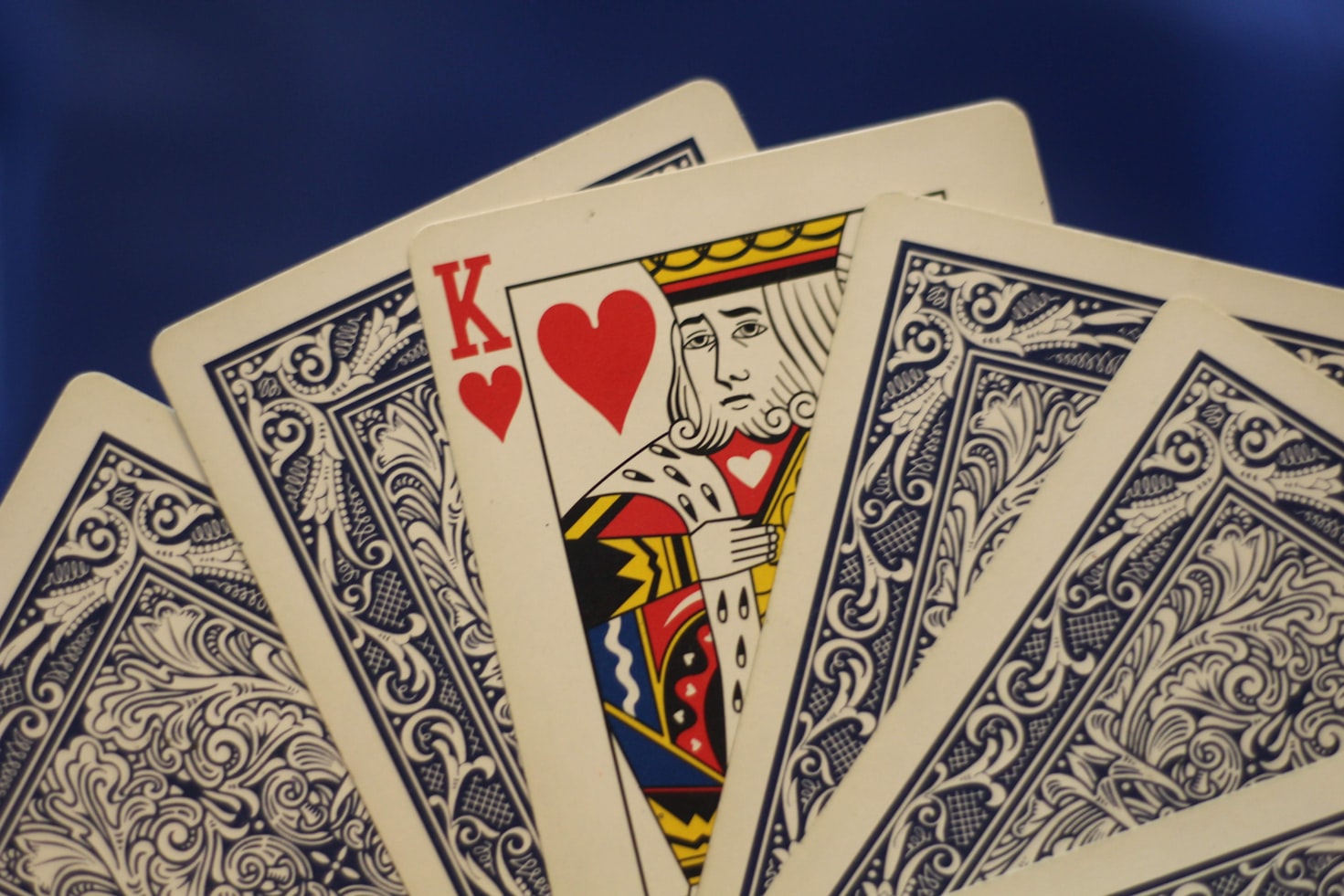
For instance, some players might believe that wearing a particular shirt or using a special coin can sway the odds in their favor. While these rituals can enhance the psychological experience of gambling for some, they have no actual bearing on the randomness of games like blackjack or slot machines. The reliance on such beliefs can distract players from understanding the statistical realities they face, leading to misguided expectations. Players may find themselves investing more in their superstitions than in understanding the games they play.
Ultimately, it is crucial to understand that luck does not respond to rituals, charms, or superstitions. While these beliefs may serve as a psychological boost or enhance enjoyment, they should not be relied upon as strategies for winning. Realizing that luck is random and unpredictable can help gamblers avoid the trap of relying on unfounded beliefs, allowing them to approach gambling with a clearer mindset. Encouraging a rational understanding of luck can enhance the overall experience and promote responsible gaming habits.
Conclusion: A Realistic Approach to Gambling
Understanding the myths surrounding luck in gambling is essential for anyone who participates in games of chance. Recognizing that luck is a random variable that cannot be controlled empowers players to make informed decisions. By separating skill from luck and acknowledging the role of chance, gamblers can avoid common pitfalls such as the gambler’s fallacy and superstitions that cloud judgment. This knowledge is integral to fostering a healthy gambling environment where enjoyment takes precedence over profit.
A realistic approach to gambling can transform the experience from one of anxiety and confusion to one of enjoyment and responsible play. Emphasizing the entertainment value of gambling rather than the pursuit of monetary gain is key to maintaining a healthy relationship with these activities. As players learn to embrace the unpredictability of luck, they can enjoy the thrill of the game without the burden of unrealistic expectations. This shift in perspective can lead to more satisfying experiences overall.
For those seeking further insights into the intricacies of gambling, various resources and communities exist that can foster understanding and responsible play. Engaging with informative content can enhance awareness and help players navigate their experiences with a balanced perspective. Remember, the essence of gambling lies not in mastery or manipulation of luck, but in the joy of the game itself. By focusing on the fun aspects, players can ensure their gambling activities remain a source of entertainment rather than stress.